Dark spots rarely have a single cause, and that is the main reason two very different treatments — Pico Genesis and microneedling — keep coming up in the same conversation. One works with light. The other works by creating controlled micro-injuries. They are not competing versions of the same idea.
Anyone comparing Pico Genesis vs microneedling for uneven pigment is really asking a narrower question: which mechanism suits the kind of discoloration in front of them? That is a question for an in-person evaluation. What an article can do is explain how each one works, so the consultation starts from a clearer place.
What Makes Skin Look Unevenly Pigmented
Pigment sits at different depths, and it arrives there in different ways.
Sun exposure over years produces scattered surface spots. Inflammation — from a breakout, a scratch, an irritation — can leave a mark behind after the skin heals, which clinicians call post-inflammatory hyperpigmentation. Other patterns are broader and more diffuse. Melasma is a distinct condition that behaves differently from sun-induced spots and is prone to returning; telling it apart from other patterns requires evaluation by a qualified professional, not a self-assessment or a photograph.
Depth matters because it determines what can reach the pigment. Superficial and deeper pigment respond to different things, and a spot that looks simple on the surface is not always simple underneath.
How Pico Genesis Works
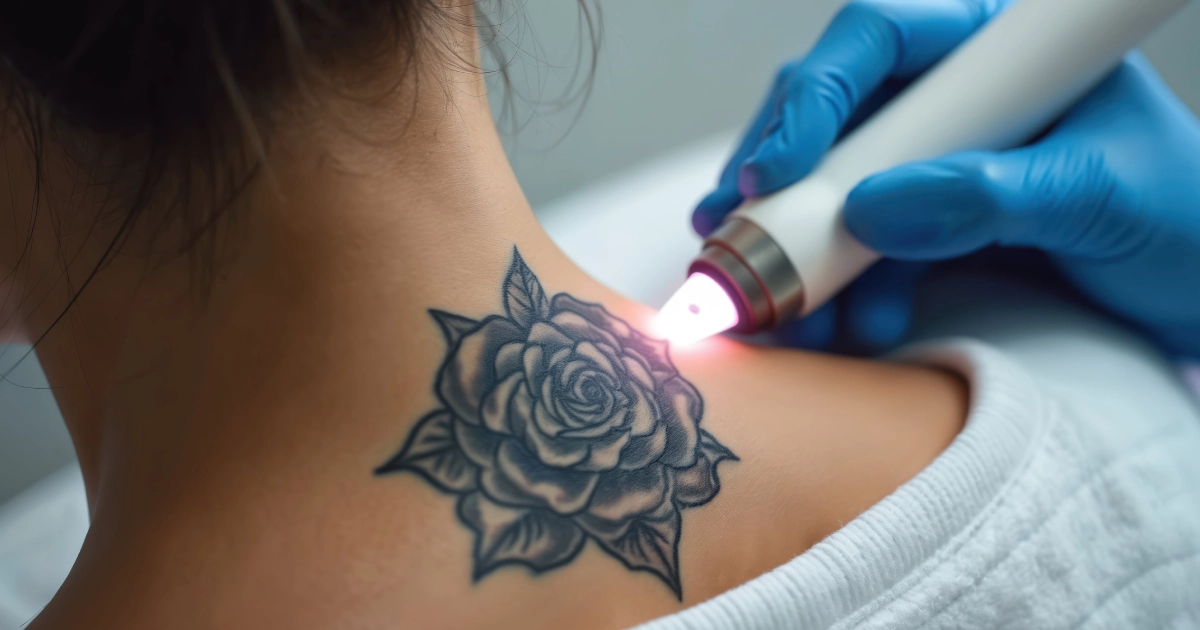
Pico Genesis is a laser treatment delivered in picosecond pulses — pulses measured in trillionths of a second.
The short pulse duration is the point. Rather than relying mainly on heat to break down pigment, very short pulses deliver energy quickly enough to create a photomechanical effect: pigment is fragmented by pressure more than by burning. The body’s immune cells then clear the fragments over the following weeks.
Because less heat is deposited into surrounding tissue, this class of laser is often discussed in terms of reduced thermal risk. That is a difference in mechanism, not a promise of safety. Any laser requires evaluation and treatment under appropriate professional supervision, and every device carries risk when used on the wrong skin or at the wrong settings.
How Microneedling Works
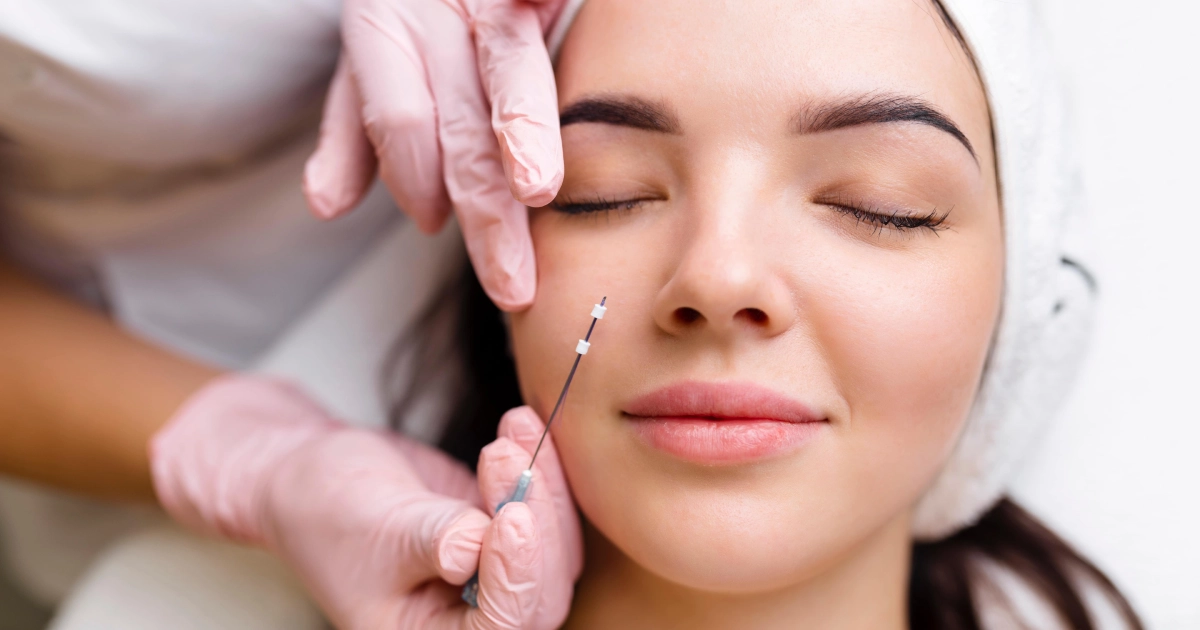
Microneedling takes an entirely different route. A device with fine needles creates thousands of controlled micro-channels in the skin.
Those small injuries trigger a wound-healing response. Over the following weeks, the skin produces collagen and elastin as it repairs. The treatment does not target pigment directly at all — it remodels tissue, and any change in the appearance of discoloration comes indirectly, as surface texture and cell turnover shift.
Some protocols pair the channels with topical products or radiofrequency energy. Those variations change the depth and the intensity, and they are worth asking about specifically, because “microneedling” describes a family of procedures rather than one fixed thing.
The Core Difference in Mechanism
Reduced to one line: Pico Genesis acts on the pigment, and microneedling acts on the tissue.
That distinction drives most of the practical differences:
- Pico Genesis targets pigment particles selectively, so it is generally discussed for discrete, well-defined discoloration
- Microneedling works broadly across an area, which is why it also comes up for texture, scarring, and pore appearance
- Laser outcomes depend heavily on how the pigment absorbs that wavelength of light
- Microneedling outcomes depend on how well an individual heals
Neither mechanism is superior in the abstract. They answer different questions, and the right question depends on the skin being treated. A provider may discuss both, in sequence rather than together, or may recommend neither.
What the Sessions Involve
Both are in-office procedures, and both usually involve topical numbing beforehand.
Pico Genesis sessions are typically short — often in the range of fifteen to thirty minutes for a full face, depending on the area covered. The sensation is commonly described as a snapping or flicking against the skin. Microneedling sessions tend to run somewhat longer once numbing time is included, and the sensation is more of a scraping or vibrating pressure.
Both are usually discussed as a series rather than a single visit. How many sessions, and how far apart, is a clinical judgment that varies by person and by what is being addressed. A provider who names a fixed number before examining the skin is estimating rather than assessing.
Downtime and Aftercare
Expectations differ here, and for many people this is the practical deciding factor.
After Pico Genesis, mild redness and swelling are common and generally settle within a day or so. Treated spots may darken temporarily before flaking away.
After microneedling, redness resembling a sunburn is typical, often with some pinpoint bleeding during the procedure itself and tightness or flaking in the days after. Recovery timelines vary between individuals.
Sun protection matters a great deal after either one. Freshly treated skin is more reactive to ultraviolet light, and unprotected exposure can undo the work or provoke new pigment. Providers typically also advise pausing retinoids and exfoliating acids for a specified window before and after.
Why Skin Tone Comes Up in This Conversation
Any treatment involving pigment and energy has to account for the pigment already present in the skin.
Deeper skin tones carry a higher baseline risk of post-inflammatory hyperpigmentation — the treatment itself provoking a new mark — with both energy-based and injury-based procedures. Settings, device selection, and the pacing of sessions are adjusted accordingly by an experienced provider.
This is a large part of why device marketing is a poor substitute for an examination. A device that performs well on one skin type at one setting is not the same device on different skin at the same setting. Asking a provider directly about their experience with skin like yours is a reasonable and common question.
What a Consultation Sorts Out
A consultation should establish a few concrete things:
- What kind of pigment pattern is actually present, which is a clinical determination
- How the skin has responded to sun, irritation, or previous treatments
- Whether any medication, supplement, or condition affects healing or light sensitivity
- Which mechanism, if either, fits the situation, and what its realistic limits are
- What maintenance looks like afterward, since pigment conditions often return
Bring a list of current medications and skincare products, including anything used only occasionally. Photographing the concern in natural light beforehand helps when the discoloration fluctuates.
The honest answer to “Pico Genesis or microneedling?” is that it depends on findings nobody can gather remotely. A provider willing to say “neither yet,” or to suggest calming underlying irritation first, is giving useful information rather than being unhelpful.
Results vary. This content is for general educational purposes and is not medical advice. Consult a licensed healthcare professional to discuss individual needs and whether a treatment may be appropriate.
To have your skin evaluated in person and discuss which approach fits, schedule a consultation with AALI Institute in Providence, Rhode Island.